
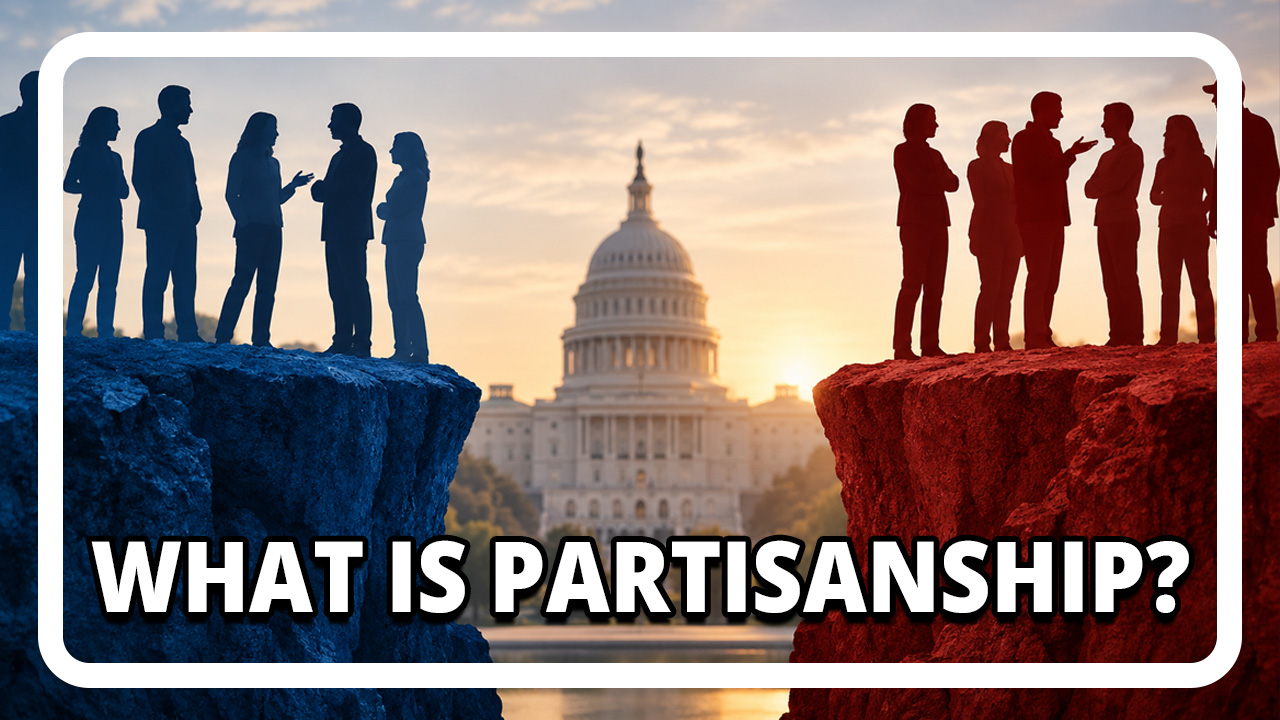
What is partisanship, and why does it divide us? Learn the psychology, consequences, and ways Americans can bridge the partisan divide.


What are the main types of government, and where does your country fall on the democracy-to-authoritarian spectrum? Learn the differences between democracy, republics, monarchies, oligarchies, anocracies, authoritarianism, and totalitarianism through expert insights from political scientists, historians, and democracy advocates featured across The Democracy Group podcast network.
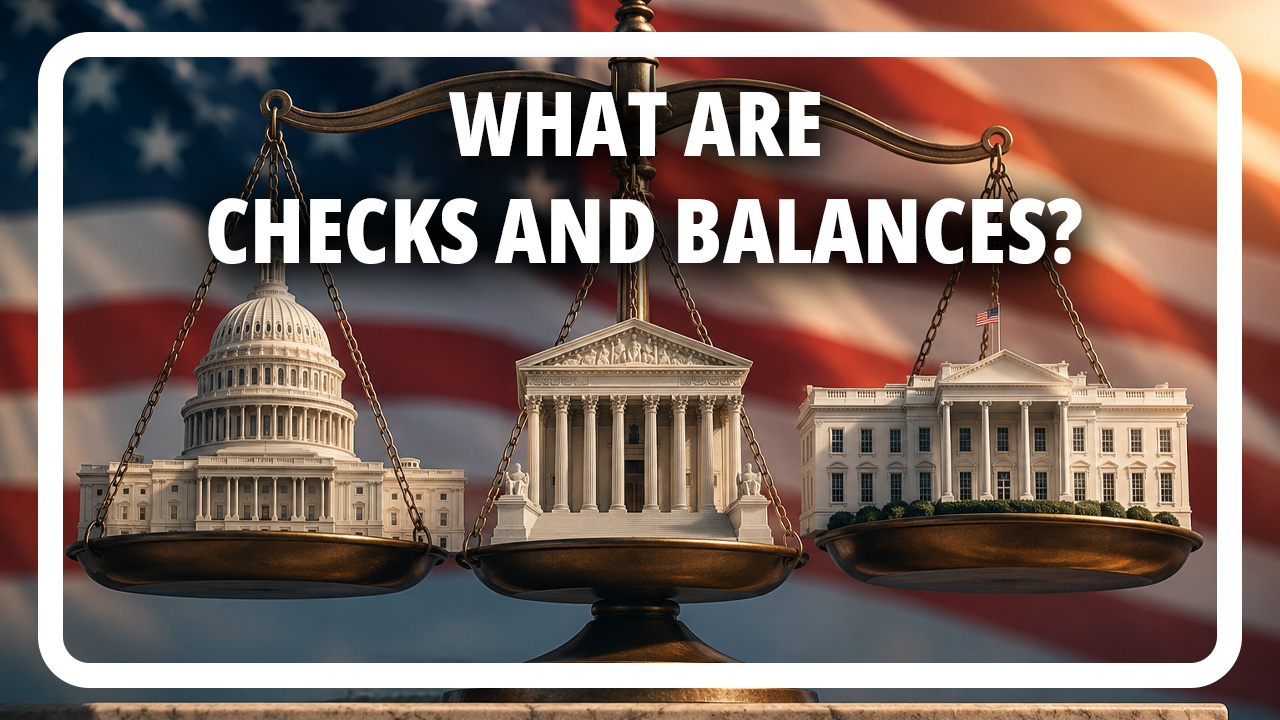
What are checks and balances, and why do they matter? Learn how the legislative, executive, and judicial branches limit one another's power, what happens when those safeguards weaken, and how citizens can help protect American democracy. Featuring insights from experts across The Democracy Group podcast network.
What is ranked-choice voting, and could it fix broken elections? Learn how ranked-choice voting works, the problems it solves, and how it could reduce polarization while giving voters more power.
What is civics, and why does it matter for the future of democracy? Learn how understanding civics—being informed, taking action, and practicing civility—empowers citizens to protect their rights and actively participate in shaping their government.
What is direct democracy, and how does it give citizens the power to shape laws directly? Learn how referendums and ballot initiatives work, their pros and cons, and how they impact civic engagement and political polarization in the United States and beyond.
What is a lobbyist—and how does lobbying really work? Explore direct, indirect, and shadow lobbying through real-world examples to understand how power, money, and citizen action shape public policy in American democracy.
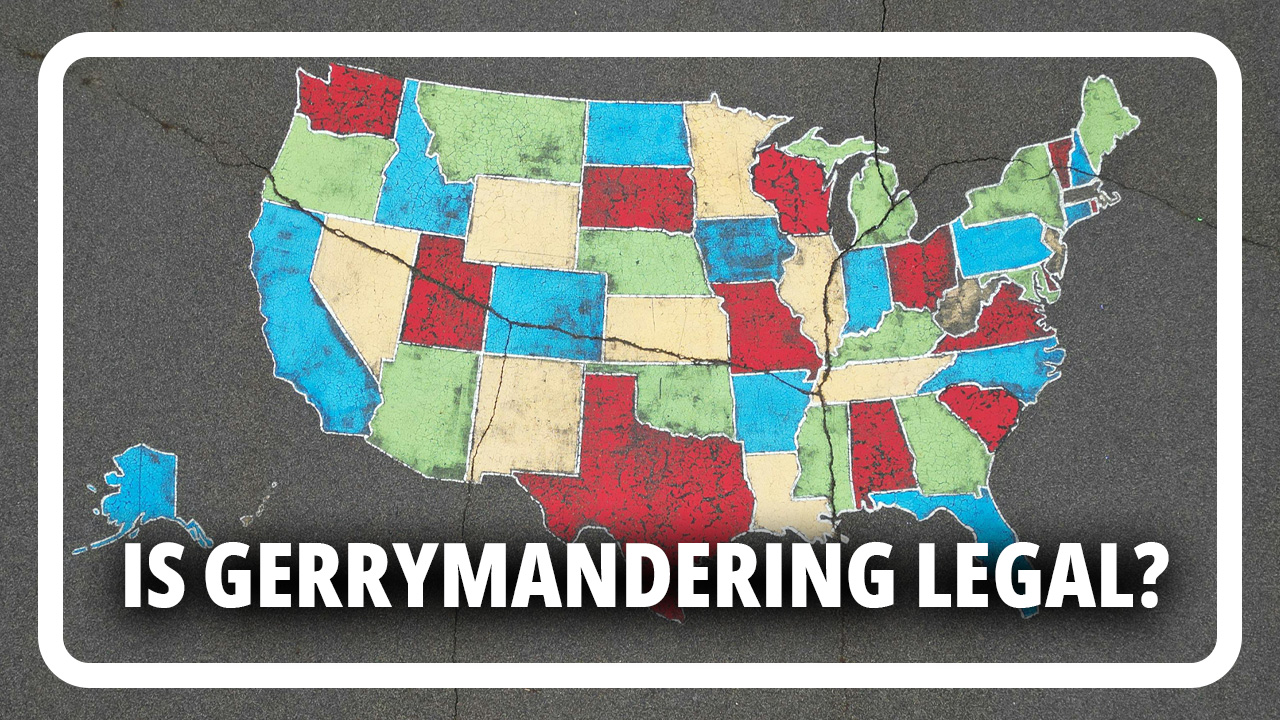
Is Gerrymandering Legal? Learn what gerrymandering is, how it shapes elections before votes are cast, and what citizens can do to protect democracy from unfair maps.

What does it really mean to have free and fair elections—and how close is America to achieving them? Discover how experts, officials, and reformers are strengthening voter access, election security, and public trust in democracy.
What are interest groups, and why do they matter in shaping American democracy? From grassroots campaigns to corporate lobbying, interest groups influence policies, mobilize voters, and sometimes even sway elections. Explore how these organizations work, the benefits they bring, and the risks they pose to ensure you understand the forces shaping the political landscape today.
Why do smart, well-meaning people turn into political enemies overnight? Discover the hidden psychology behind modern tribalism and learn practical tools to bridge divides, improve conversations, and strengthen democracy—starting with your next difficult conversation.
Discover why your vote matters more than you think. This article breaks down the real impact of voting—from local elections to national policy—and how your voice helps shape the future. Featuring expert insights and practical steps to get involved.
Explore the key threats facing American democracy today—from political polarization and disinformation to racial injustice and voter suppression—and discover what we must do to protect and strengthen it.
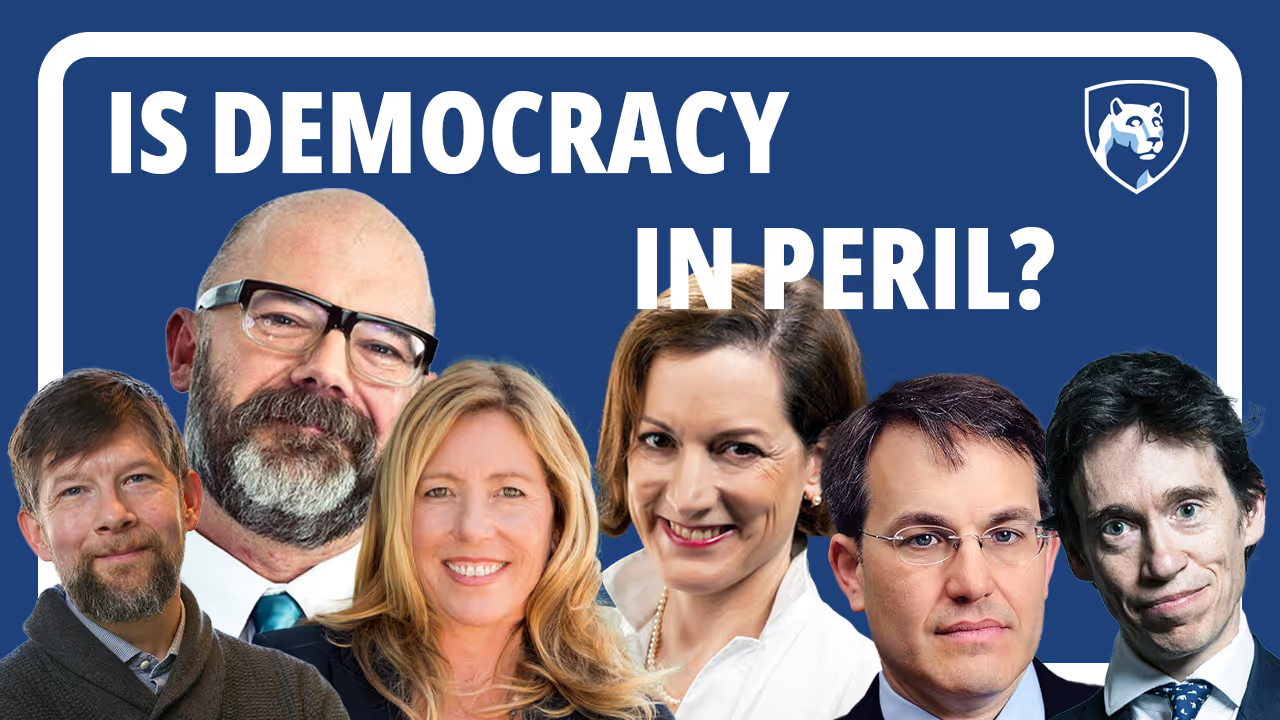
Is democracy truly in danger? Explore expert insights on the four pillars of democratic systems, historical patterns of decline, and five warning signs threatening democracies today. Learn how polarization, inequality, and executive overreach impact democratic institutions and discover practical actions citizens can take to strengthen democracy before it's too late. An essential guide for understanding global democratic backsliding and the path forward.
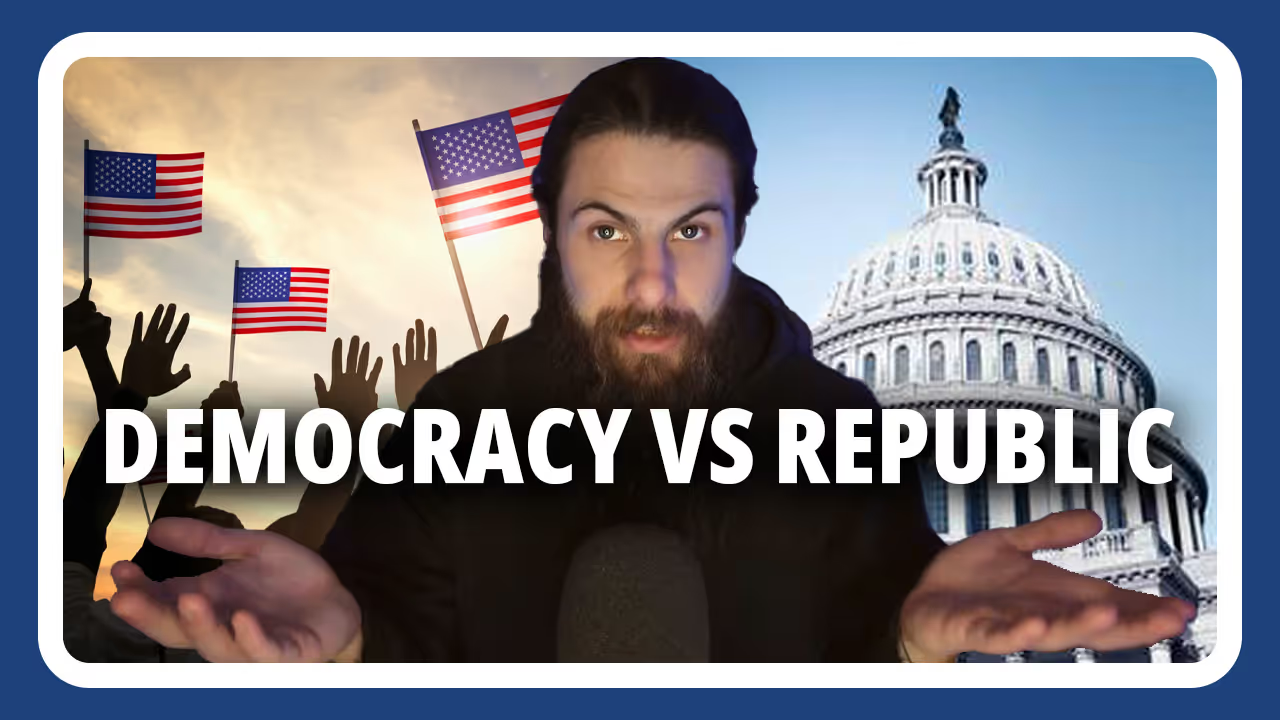
Learn about the key differences between democracy and republic in the United States, exploring topics like liberalism, federalism, and representation. Discover insights from political experts like David Stasavage, Christopher Beem, and Francis Fukuyama on how America functions as both a liberal representative democracy and a constitutional republic, and what that means for citizen participation in maintaining a thriving democracy.
Engaging in civil discourse. Inspiring civic engagement. Exploring the future of our democracy.
Join our community and never miss your favorite episodes from the Democracy Group.
Subscribe to our Newsletter