

Subscribe to receive a biweekly collection of the hottest podcast episodes from the network, upcoming special events, expert features and news from your favorite shows.
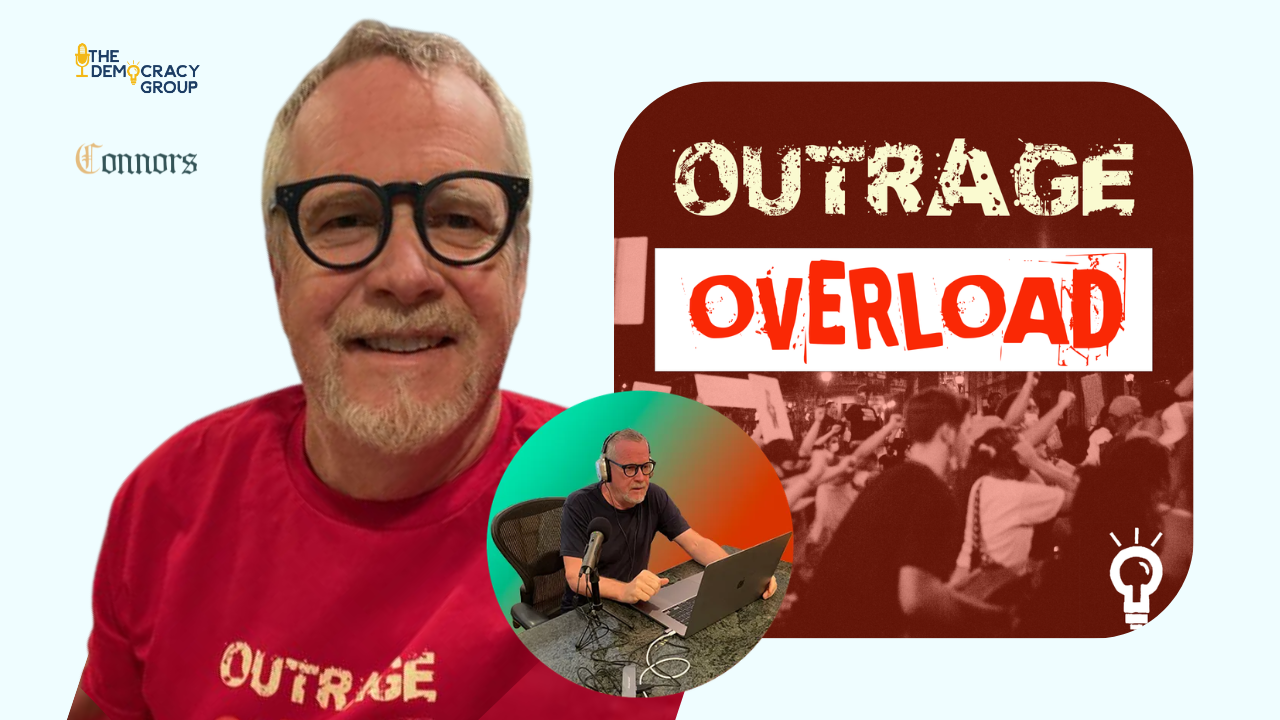
Subscribe to our NewsletterThe Democracy Group is growing! We’re excited to welcome the newest addition to The Democracy Group: Outrage Overload — a podcast about the outrage industry, political polarization and how democratic societies can function when disagreement turns toxic.
We caught up with host David Beckemeyer to talk about outrage culture, why we as news consumers seem to be angry all the time and what we can do to tune out the rage.
What is “outrage overload?”
David: I use “outrage” as an umbrella term for a wide assortment of emotions, including moral indignation or the idea that the other side is bad and we’ve made the right choice. There’s also anger and frustration caused by a lot of drivers. “Outrage overload” means that we’re just swamped with outrage.
The underlying idea of outrage as a human emotion can be good. We can use outrage to pinpoint something that’s happening that we get outraged about and go work on that. But when we’re barraged with so much of it, the temperature’s up and the dials set all the way up to boil all the time, we can’t pick out those ones that maybe we can take some action on. Then it just stews -- you’re on edge all the time, you don’t feel like you have agency, you can’t do anything about it. And then it’s just a negative spiral, so thinking about how we can reverse that spiral.
You said the media seems to try to get us angry all the time, and it’s working. Why do we as news consumers tend to gravitate toward outrage and headlines that boil our blood?
David: It’s something I’m still learning about. That’s another piece of the show. I’m taking listeners on this journey to talk to all these different experts, and after 100 episodes, we realize a lot of it is the tribal nature of humans. It’s our niche. It’s a survival way that humans got to where we are, but that may not always serve our best interest in a pluralistic society. So we fall back to some of these early parts of our brain that are very tribal.
People engage with these headlines because of underlying incentives, including clicks, time spent on the site, likes and comments. When you get riled up, you’re more likely to interact and engage with that content. It’s this natural tendency when you make incentives about attention or even in the political realm. It’s about, “I want their vote, I want them to act, so I’m going to get them angry at the other side and maybe they’ll be more motivated to vote for me.” A lot of it is this incentive structure that causes all of this.
How do we work to address that? How do we tune out the rage bait?
David: It’s a bit of a heavy lift because there are so many incentives trying to keep us divided and angry at each other. We can start in our community: getting to know your community and your neighbors and getting more involved. You’ll find a lot of these perceptions we have – about how terrible the other side is, how they hate the government or the country and that they are trying to destroy the country – doesn’t have as much weight as it seems like from social media and partisan news.
Another thing you can do is spend a week drilling, going deep instead of wide. Pick a topic you’re interested in and focus on that. We see some left-wing people telling us one thing and some right-wing people framing it another way, but that’s just the surface of the story. When you dig deeper, you’ll usually find there’s more nuance to it. Once you start to see that, it can soften how married you are to these ideas and how anxious you are about them.
Subscribe to receive a biweekly collection of the hottest podcast episodes from the network, upcoming special events, expert features and news from your favorite shows.
Subscribe to our NewsletterJessie Nguyen is a Marketing Communication Specialist for The Democracy Group and a Digital News Producer at ABC 8News in Richmond, Va. She produces the network’s bi-weekly newsletter on Substack focusing on civic topics, social issues, political current affairs and podcasting, and oversees social media strategies and execution for The Democracy Group’s social platforms. Jessie holds a bachelor’s degree from Penn State University and a master’s degree from Northwestern University, both in Journalism.
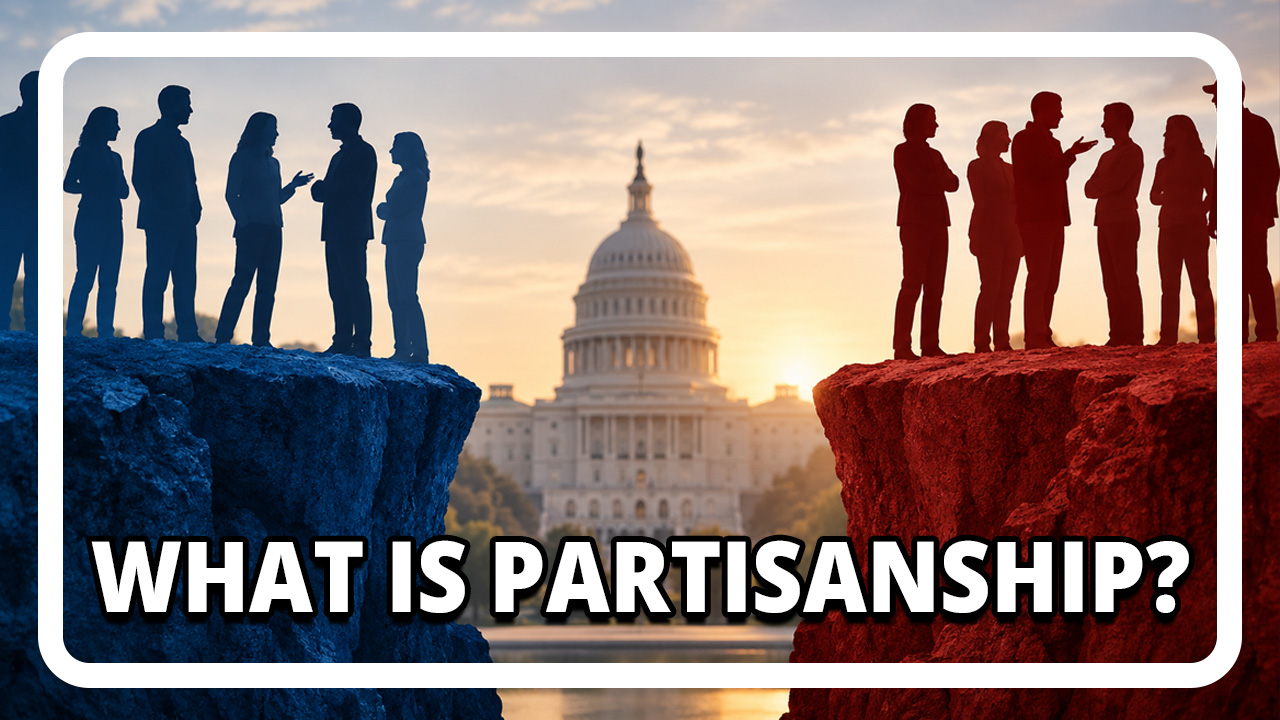
What is partisanship, and why does it divide us? Learn the psychology, consequences, and ways Americans can bridge the partisan divide.


What are the main types of government, and where does your country fall on the democracy-to-authoritarian spectrum? Learn the differences between democracy, republics, monarchies, oligarchies, anocracies, authoritarianism, and totalitarianism through expert insights from political scientists, historians, and democracy advocates featured across The Democracy Group podcast network.
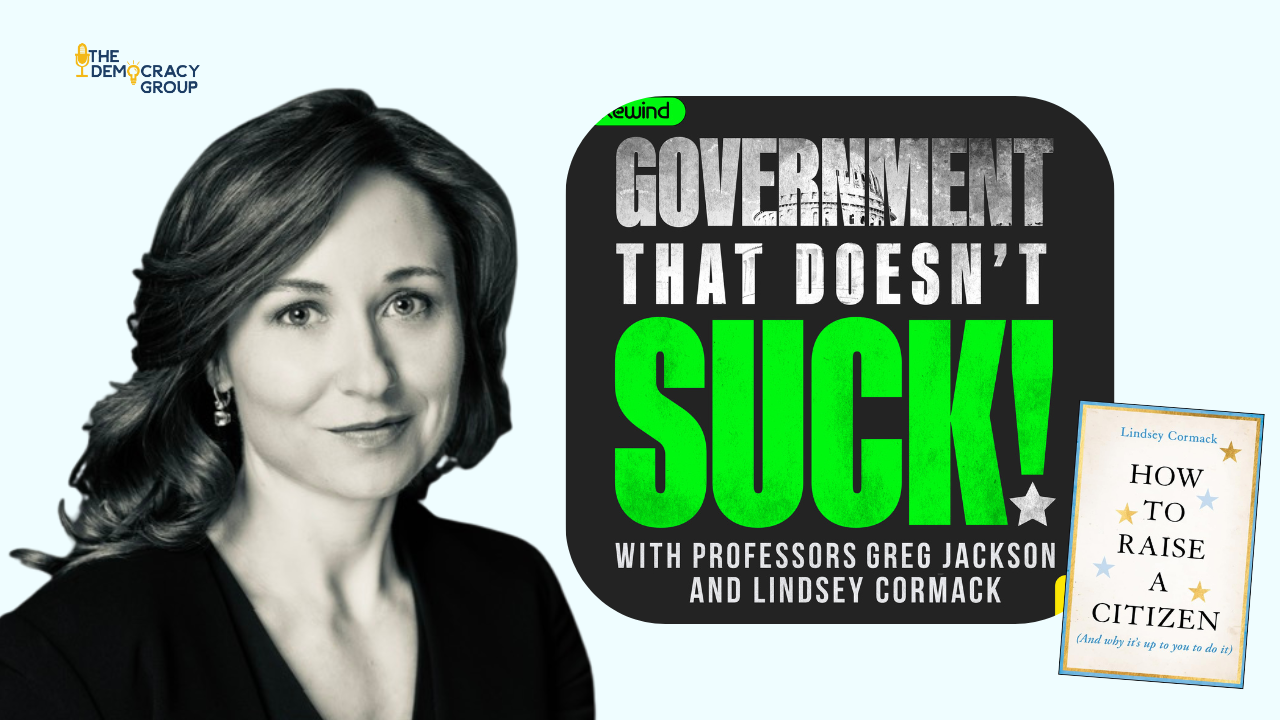
Lindsey Cormack discussed civic education, common misconceptions about government and what to expect from her new podcast "Government That Doesn't Suck."
Engaging in civil discourse. Inspiring civic engagement. Exploring the future of our democracy.
Join our community and never miss your favorite episodes from the Democracy Group.
Subscribe to our Newsletter