

The annual U.S. Media Literacy Week just wrapped up last week! It celebrated the five key components of media literacy’s definition: Access, Analyze, Evaluate, Create and Act.
From Oct. 27 to Oct. 31, each component was featured on each of the days Media Literacy Week took place. The effort highlighted digital literacy education in the U.S., especially in the age of artificial intelligence (AI) and generative AI.
Generative AI, in more than a few instances, has muddied the public perception of reality and real news events — most recently and notably: fake songs and disturbing spin-offs from Netflix’s smash animated hit Kpop Demon Hunters.
In online spaces, it’s more important than ever to equip yourself with media literacy tools and skillset. Here’s how you can implement media literacy practices in your daily news consumption and creation:

Guests from the Poynter Institute, News Literacy Project and the National Association of Media Literacy Educators joined this conversation to discuss AI in the news literacy landscape. They touched on separating factual information from AI slop, and making good decisions about comsuming the news. Give it a listen!
Subscribe to receive a biweekly collection of the hottest podcast episodes from the network, upcoming special events, expert features, and news from your favorite shows.
Subscribe to our NewsletterThis is Jessie Nguyen, The Democracy Group's Community Manager. Here are some of my favorite podcasts this week, check them out!
Speaking of AI... Future Hindsight's latest episode dissects the current state of AI and how it's transforming the future of our politics. In the context of today's democracy, AI can still serve the public interest and advance democratic goals. Give this a listen!
If you're a Gen Z who spends way too much time on TikTok (like me), you've probably noticed how NYC mayoral candidate Zohran Mamdani has been killing it on the platform! Mamdani might have a stellar social media team, but he also has what many candidates lack: Authenticity. Listen to this convo to see why authenticity is redefining politics!
A thought-provoking discussion from a thoughtful panel — comprised of many hosts in our network — that explores the characteristics and threats of a healthy democracy. Listen to the end to hear our fall 2025 fellows' thoughts, inputs and reflections on the issues!

Matt Glassman is a senior fellow at The Government Affairs Institute at Georgetown University and author of the Substack Matt's Five Points. Glassman has taught courses on American government and congressional process and leadership. His political analysis has appeared in outlets like The New York Times, The Washington Post and Politico.

Scott Dikkers is a comedy writer and author. He previously co-owned the satire outlet The Onion and was the publication's longest-serving editor-in-chief. Dikkers has authored over 30 books, including "Our Dumb Century."
Subscribe to receive a biweekly collection of the hottest podcast episodes from the network, upcoming special events, expert features, and news from your favorite shows.
Subscribe to our NewsletterJessie Nguyen is a Marketing Communication Specialist for The Democracy Group and a Digital News Producer at ABC 8News in Richmond, Va. She produces the network’s bi-weekly newsletter on Substack focusing on civic topics, social issues, political current affairs and podcasting, and oversees social media strategies and execution for The Democracy Group’s social platforms. Jessie holds a bachelor’s degree from Penn State University and a master’s degree from Northwestern University, both in Journalism.
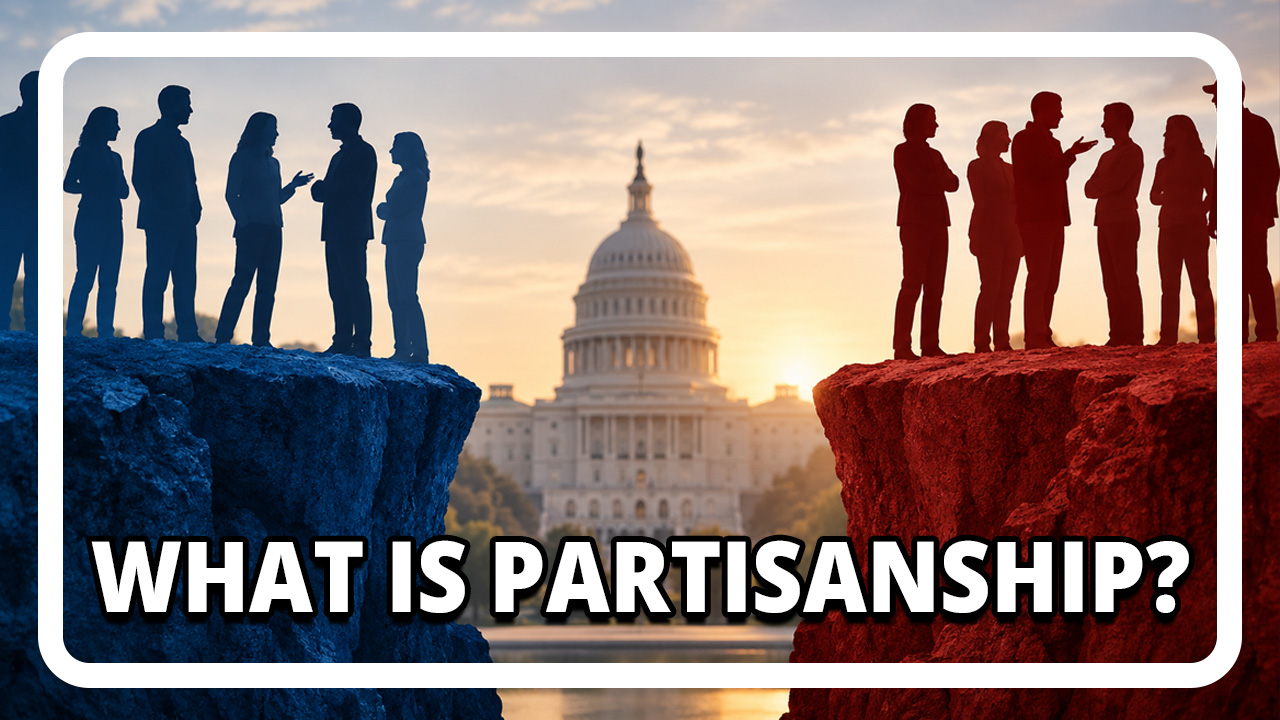
What is partisanship, and why does it divide us? Learn the psychology, consequences, and ways Americans can bridge the partisan divide.


What are the main types of government, and where does your country fall on the democracy-to-authoritarian spectrum? Learn the differences between democracy, republics, monarchies, oligarchies, anocracies, authoritarianism, and totalitarianism through expert insights from political scientists, historians, and democracy advocates featured across The Democracy Group podcast network.
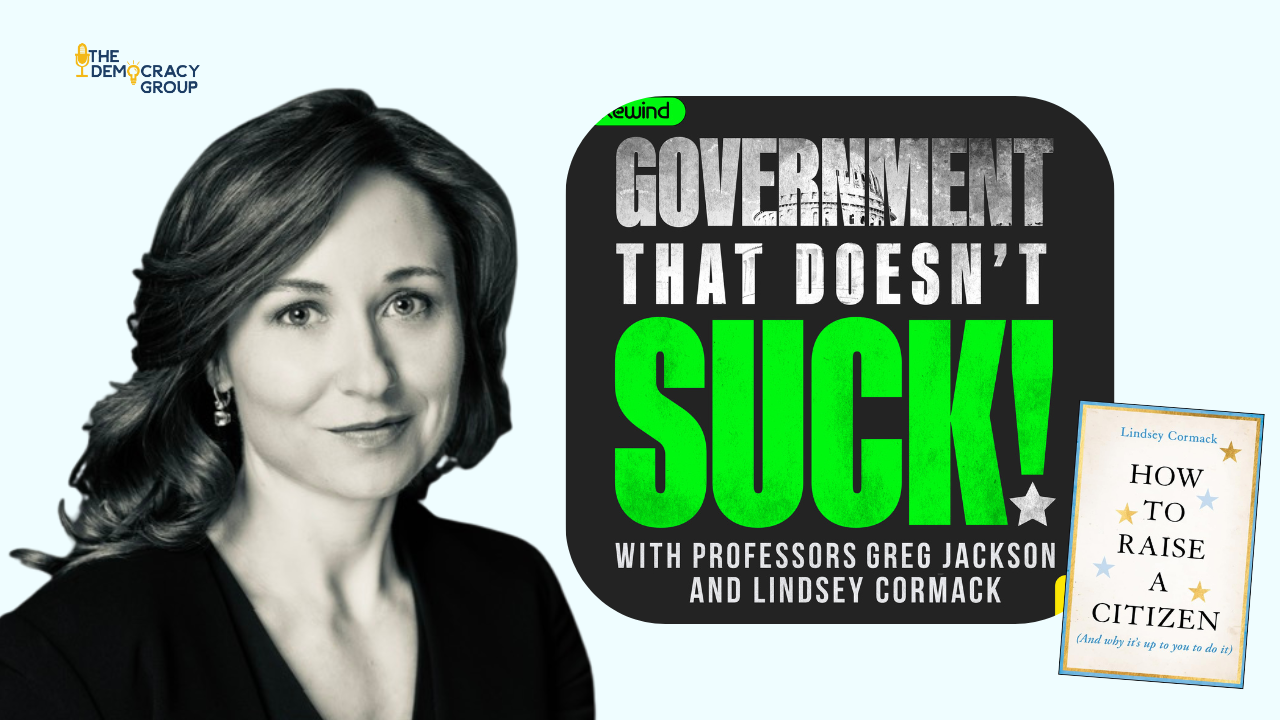
Lindsey Cormack discussed civic education, common misconceptions about government and what to expect from her new podcast "Government That Doesn't Suck."
Engaging in civil discourse. Inspiring civic engagement. Exploring the future of our democracy.
Join our community and never miss your favorite episodes from the Democracy Group.
Subscribe to our Newsletter