

Civics is the study and practice of the rights, duties, and responsibilities of people within a society. It includes understanding how government works, how laws and public decisions are made, what rights people have, and how individuals can participate in shaping their communities and government. In a democracy, civics prepares people to be active citizens by giving them the knowledge and skills to vote, engage with public issues, hold government accountable, work with others, and contribute to the common good.
Civics is sometimes treated as simply learning facts about government: the three branches, how a bill becomes a law, or what the Constitution says. Those things are important, but civics goes further. Civic learning also develops the skills and habits people need to put that knowledge into practice.
As Emma Humphries of iCivics explains, civic learning involves three interconnected elements: knowledge, skills, and dispositions. Citizens need knowledge of government institutions, political processes, history, economics, and related subjects. They also need practical skills for participating in their communities. Finally, they need the disposition to pay attention to public problems and consider not only their individual interests, but the common good.
In other words, civics teaches people both how democracy works and how to participate in it.
Civics can cover subjects such as constitutional rights, elections and voting, local and national government, the legislative process, federalism, political institutions, public policy, civic responsibilities, and the history and principles behind democratic government.
However, understanding these subjects is only the beginning. Civic participation can include voting, volunteering, contacting elected representatives, attending public meetings, joining community organizations, advocating for an issue, peacefully protesting, helping solve local problems, or simply becoming better informed about decisions affecting your community.
This distinction between knowledge and action is important. A person can understand government extremely well without actually participating in civic life. Civics encourages people to use what they know to exercise their rights, fulfill their responsibilities, and influence the institutions that govern them.
Citizens in a democracy have rights, but democratic societies also depend on people accepting certain responsibilities.
Richard Haass, author of The Bill of Obligations, argues that one of the most fundamental responsibilities is simply to be informed. Citizens cannot meaningfully participate in government if they do not understand the institutions, issues, and decisions they are being asked to influence.
Being informed can then lead to action. Citizens might vote, volunteer, organize, speak to their representatives, participate in local government, support causes they believe in, or propose solutions when they believe government is falling short.
Civic responsibility also includes how citizens interact with one another. Democracy brings together people with different values, interests, identities, and political beliefs. Disagreement is therefore unavoidable.
Civility does not mean avoiding those disagreements or simply being polite. It means recognizing other people as deserving basic respect while still being willing to debate difficult questions, challenge ideas, protest injustice, and speak truthfully about disagreements.
Civics matters because democracy depends on participation. Democratic institutions may establish elections, rights, representation, and checks on government power, but citizens still have to understand and use those institutions.
Civic knowledge can help people recognize when their rights are threatened, understand who has authority over a particular issue, determine how they can influence a government decision, and hold public institutions accountable.
It can also create a greater sense of political agency. Instead of seeing government as something that simply happens to them, civically engaged people can recognize the ways they can participate in shaping it.
That participation does not require becoming a politician, activist, or political expert. Civic engagement can begin with relatively ordinary actions: learning about an issue, voting in a local election, attending a city council meeting, joining a community organization, contacting a representative, or having a productive conversation with someone who disagrees with you.
Ultimately, civics can be summarized through three principles:
Civics, then, is not merely a subject taught in school. It is the ongoing practice of understanding your role within a community and using your rights, knowledge, and abilities to participate in shaping it. Democracy works best when citizens do more than observe it—they take part in it.
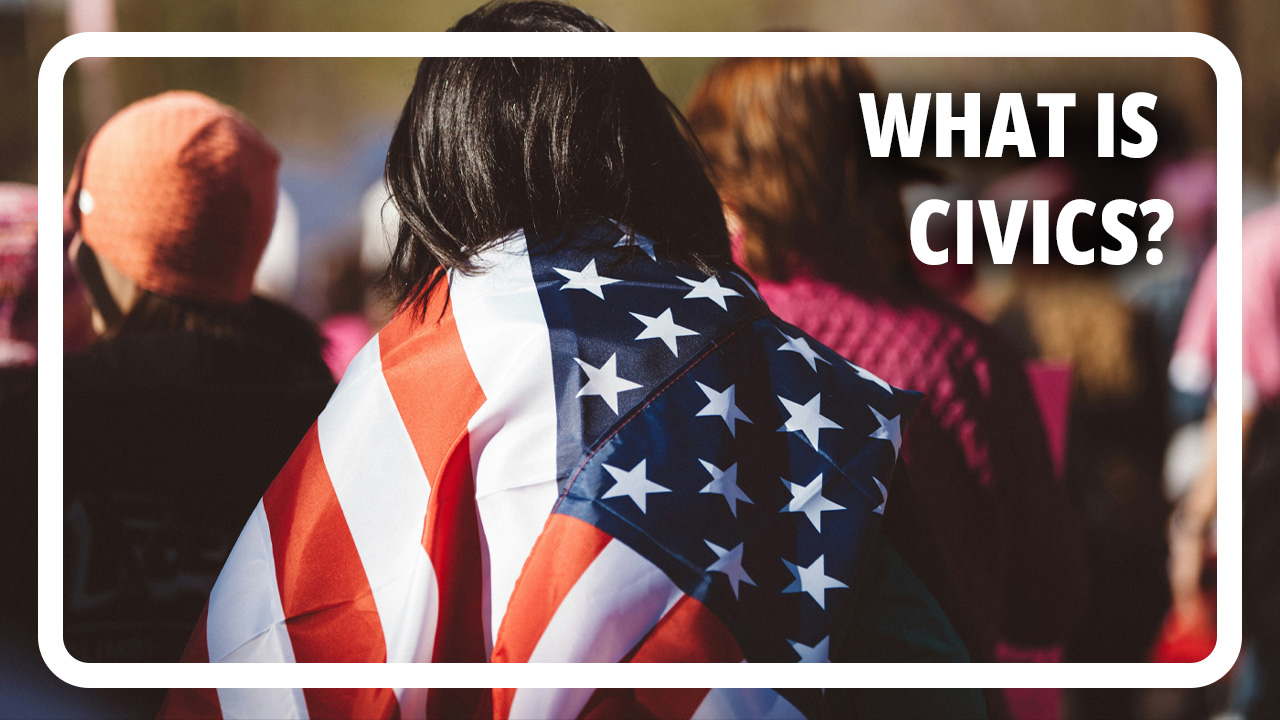
What is civics, and why does it matter for the future of democracy? Learn how understanding civics—being informed, taking action, and practicing civility—empowers citizens to protect their rights and actively participate in shaping their government.
Read PostSubscribe to receive a biweekly collection of the hottest podcast episodes from the network, upcoming special events, expert features and news from your favorite shows.
Subscribe to our NewsletterCivics is important because democracy depends on citizens who understand how government works and know how to participate in it. Civic knowledge helps people understand their rights and responsibilities, evaluate political issues, vote more effectively, hold elected officials accountable, and take action when they want change. Civics also develops the skills and habits needed to work with others, navigate political disagreement, and contribute to the common good. Without an informed and engaged public, democratic institutions are less capable of representing the people they are designed to serve.
Democracy is a broad term that refers to a system of government in which supreme power is vested in the people and exercised by them directly or indirectly. It generally takes one of two forms: direct democracy and representative (indirect) democracy.
Brandon Stover is the Network Manager for The Democracy Group and a Digital Content Specialist at the McCourtney Institute for Democracy. He leads partnerships and collaborations across the podcast network, oversees educational content strategy, and produces written, audio, and video content while managing the network's digital marketing efforts. Before joining the McCourtney Institute for Democracy, Brandon founded and led a nonprofit organization dedicated to creating free educational content on global issues. He holds a master's degree in Architecture from Washington State University.
Engaging in civil discourse. Inspiring civic engagement. Exploring the future of our democracy.
Join our community and never miss your favorite episodes from the Democracy Group.
Subscribe to our Newsletter